Lowell Top Rated Custom Home Builder What to Expect: Design-Build Solutions
Opening the Door to Your Dream Home: The Advantages of Selecting a Custom Home Builder
Opting for a custom home builder offers a remarkable opportunity for individuals seeking to design their dream living space. This approach delivers outstanding design flexibility, allowing homeowners to adapt every detail to their unique preferences and lifestyle. In addition, the emphasis on premium materials and energy-efficient features provides lasting value. However, comprehending the financial implications and the intricacies of the building process is vital. What advantages await those who initiate this journey?
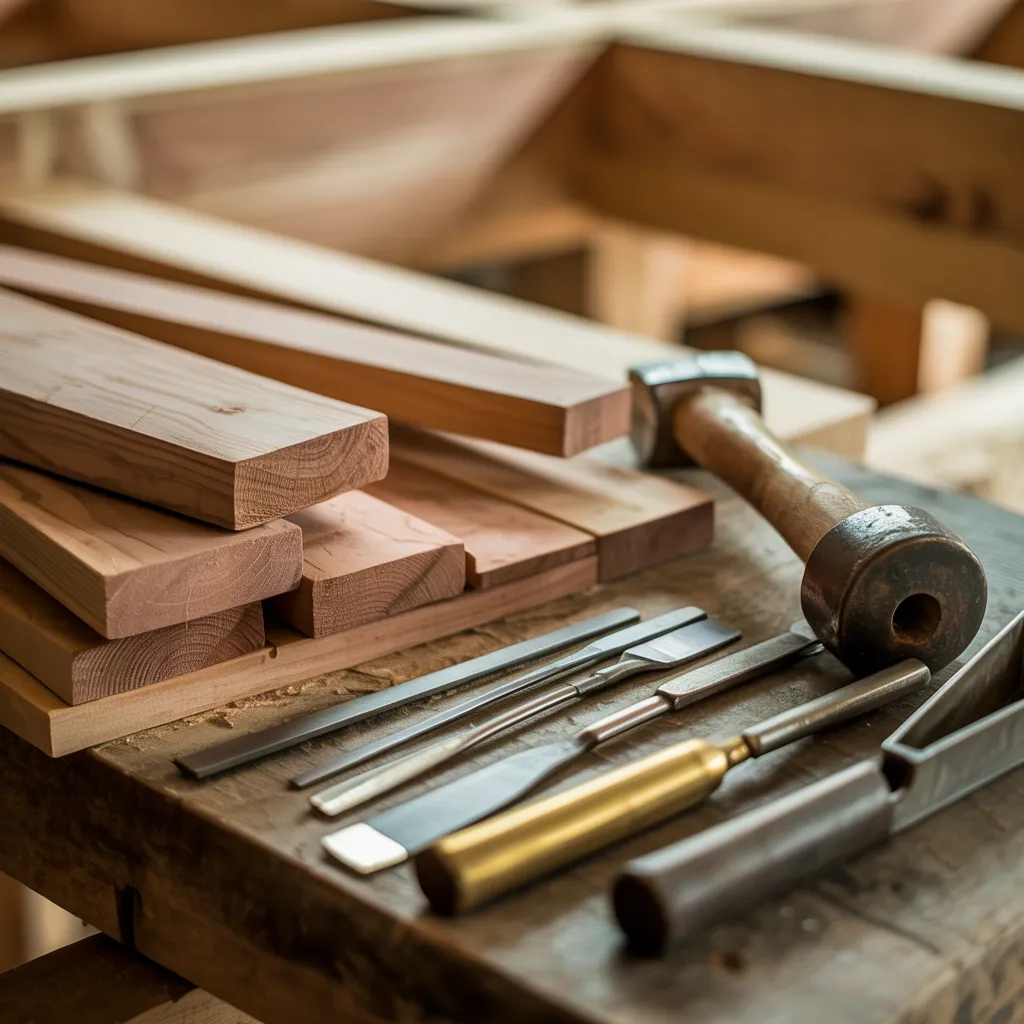
Why Custom Homes Are the Superior Choice?
Custom homes are frequently considered the superior choice for those pursuing a individualized living experience. They deliver a special opportunity to create a living space that satisfies specific needs and preferences. Contrary to traditional homes, which often include limitations in configuration and appearance, custom homes empower homeowners to control every aspect of their future home. This includes picking materials, finishes, and architectural styles that match personal taste.
Additionally, custom homes can be constructed to boost energy efficiency and sustainability, meeting contemporary environmental standards. Homeowners can incorporate advanced technology and smart home features that represent modern living. In addition, custom homes often provide better resale value, as they cater to specific buyer interests, making them a prudent investment. Finally, choosing a custom home permits individuals to craft a space that is not only functional but also a true representation of their lifestyle and aspirations.
Custom Home Design Flexibility
The flexibility in design that custom homes offer is unparalleled, enabling homeowners to create spaces that truly reflect their vision. Contrary to traditional homes, which often have predetermined layouts and limited choices, custom homes enable clients to adapt every aspect to their preferences. This includes picking floor plans, selecting materials, and incorporating unique architectural features that match personal preferences.
Homeowners may also focus on functionality, making certain that their environments satisfy distinct needs, such as open-plan living spaces, exclusive work-from-home areas, or expansive outdoor spaces. In addition, customization encompasses energy-efficient designs, smart home technology, and green building materials, corresponding to today's living preferences.
Such design versatility not only elevates the aesthetic appeal of the home but also confirms that it meets the family's requirements and long-term goals, making custom home building a thoughtful choice for discerning homeowners.
The Importance of Quality in Custom Home Construction
Quality plays an essential role in the custom home building process, as it directly impacts both the longevity and functionality of the home. Custom home builders give priority to high-quality materials and craftsmanship, which enhance the overall durability and aesthetic appeal of a residence. By prioritizing quality, builders guarantee that homes can withstand the test of time, decreasing the need for frequent repairs and maintenance.
Additionally, quality affects energy efficiency and safety. Skillfully built homes employ superior insulation and energy-efficient systems, leading to lower utility costs and a more comfortable living environment. Moreover, meticulous attention to detail during the building process minimizes the risk of structural issues and boosts safety for occupants.
In the end, investing in quality during custom home construction is pivotal for homeowners wanting a lasting and enjoyable living space. This dedication to excellence not only elevates daily living but also cultivates a sense of pride in the home.
The Economic Advantages of Custom Homes
Purchasing a custom home often leads to considerable financial gains that extend beyond initial construction costs. One major advantage is energy efficiency; custom homes can be designed with modern materials and systems that reduce utility bills. This long-term savings can compensate for the higher upfront costs associated with customization. Furthermore, custom homes typically appreciate more significantly than standard homes, as they can be tailored to meet specific market demands and buyer preferences.
Another financial benefit is reduced maintenance costs. By opting for high-quality materials and construction techniques, homeowners can decrease repairs and replacements over time. Furthermore, a custom home can showcase the owner's lifestyle, potentially enhancing market value if they decide to sell in the future. In summary, the financial perks of choosing a custom home builder can lead to greater long-term returns on investment, making it a wise choice for discerning homeowners.
Understanding the Custom Home Building Process
While commencing on the journey of constructing a custom home, homeowners should first understand the various stages of the construction process. The initial phase involves conceptualizing the design, where homeowners collaborate with architects to develop blueprints that embody their vision. Following this, the permitting stage confirms compliance with local regulations, a essential step that can affect the timeline.
When permits are secured, the groundwork commences, including site preparation and foundation laying. As the structure develops, framing, roofing, and installation of critical systems like plumbing and electrical work take place. After the exterior is finalized, attention shifts to interior finishes, where homeowners can select materials and fixtures to personalize their space.
In the end, a detailed inspection occurs to confirm all aspects fulfills quality standards before the final walkthrough. Comprehending these stages can equip homeowners, permitting them to navigate the process with enhanced confidence and clarity.
FAQ
What Is the Typical Duration of the Custom Home Building Process?
Custom home construction usually requires between 6 months to more than a year, contingent upon multiple factors such as things like design complexity, permits, and weather conditions, elements that can greatly impact construction timelines.
Am I Allowed to Choose My Own Contractor for a Custom Home?
Homeowners are able to choose their own contractor when building a custom home. This selection offers superior control regarding the project's path, guaranteeing that the contractor matches the homeowner's vision and particular needs during the entire process.
What Permits Do You Need for Custom Home Construction?
Permits required for custom home construction typically include building, electrical, plumbing, and mechanical permits, together with zoning and environmental approvals. Regional regulations can vary, so consulting the appropriate authorities is vital for regulatory compliance.
In What Ways Does Location Affect Custom Home Costs?
Geographic location greatly influences custom home costs due to elements such as land prices, local labor rates, and zoning regulations. In addition, proximity to amenities and desirable neighborhoods can elevate expenses, impacting overall budget and get the full story design choices.
Can Custom Homes Be Energy-Efficient?
Absolutely, custom homes offer energy-efficient possibilities. Construction professionals commonly include environmentally responsible materials, cutting-edge insulation, and energy-conscious appliances, permitting homeowners to cut down on utility expenses while decreasing their environmental impact, therefore improving overall comfort and sustainability.